
The paradigm of traveling in Seoul has changed in 2026. Instead of complex transit fare calculations, the ‘Climate Card’ is now all you need. This magical card, which allows unlimited use of subways and buses, as well as Seoul’s iconic Ttareungi bikes and the newly emerged Hangang River Bus, has become an essential item for travelers. Based on the latest 2026 information I gathered while guiding foreign friends in Hongdae, I will show you the most perfect way to use it.
- Guide to Major Climate Card Types and Prices in 2026
- How to Buy and Top Up Short-term Passes for Foreign Tourists
- Tips for Unlimited Use of Ttareungi and Hangang River Bus
- Summary of Service Areas and Important Exceptions
Climate Card 2026 Complete Guide: Choosing the Right Pass for You
In 2026, the Climate Card has become very diverse depending on the period of use. The choices range from 30-day passes for long-term residents to 1, 3, 5, and 7-day passes for short-term tourists. Generally, a 3-day pass for a 4-day trip or a 7-day pass for a week-long stay offers the best value. In my opinion, it’s definitely a win if you take public transport more than three times a day.
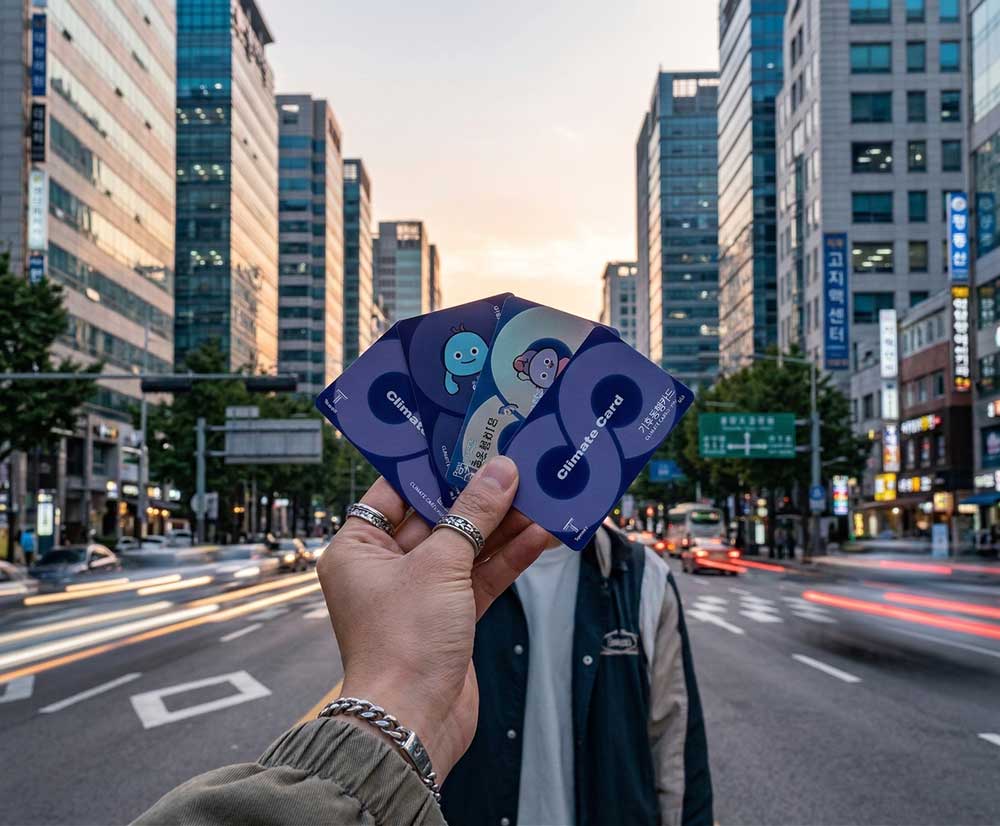
In particular, from 2026, the service area has expanded to Goyang and Gwacheon, allowing you to visit popular nearby attractions like Seoul Grand Park in Gwacheon or Ilsan Lake Park without worrying about extra fares. However, please remember that use on the Sinbundang Line or intercity buses is still restricted.
Detailed Price List by Pass Type (2026)
| Type | Price | Inclusions |
| 1-Day | 5,000 KRW | Subway + Bus |
| 3-Day | 10,000 KRW | Subway + Bus |
| 5-Day | 15,000 KRW | Subway + Bus |
| 7-Day | 20,000 KRW | Subway + Bus |
| 30-Day | 62,000 ~ 70,000 KRW | Options for Ttareungi, Hangang Bus available |
Purchase and Top-up Guide for Immediate Use
Foreign tourists should first purchase a physical card at the airport or a convenience store. The card costs 3,000 KRW, and after purchase, you can top it up with your desired pass type at an unmanned kiosk in any nearby subway station to activate it immediately. One of the “frequently asked questions in the field” is whether iPhone users can use mobile cards; unfortunately, as of 2026, iPhone users still need to use physical cards. Android users can issue it directly through the ‘Mobile T-money’ app without purchasing a card, which is much more convenient.
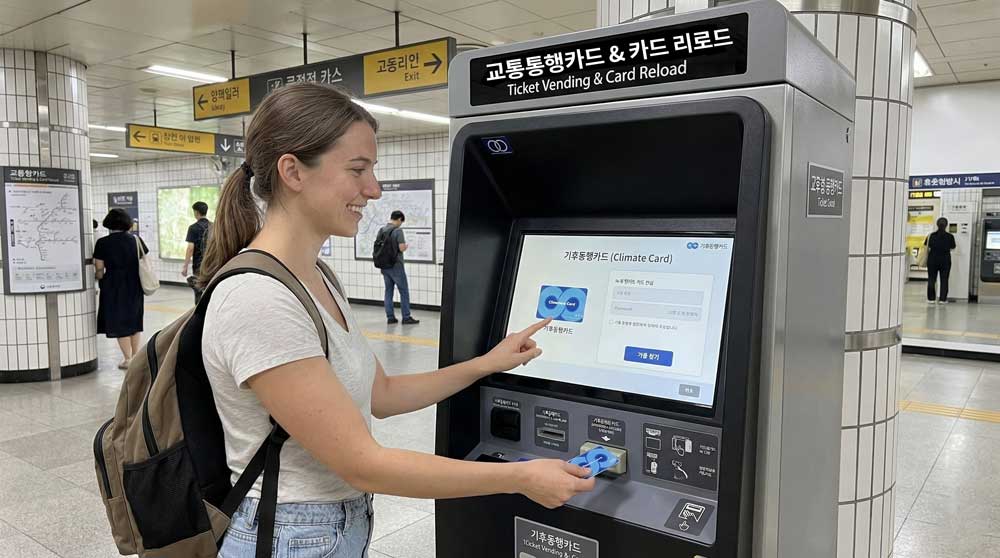
Here’s a tip from Andy! If you bought a physical card, make sure to register it on the ‘T-money Card & Pay’ website. This is the only way to protect your balance if you lose the card or to link and use Seoul’s public bike ‘Ttareungi’ unlimitedly. Remember, you cannot issue a Ttareungi pass without registration.
Climate Card 2026 Complete Guide: Essential Checklist
- Buy Physical Card: Purchase it for 3,000 KRW at Incheon Airport or Seoul city convenience stores.
- Website Registration: Register your card number on the ‘T-money Card & Pay’ site to use Ttareungi.
- Verify Pass Type: Choose a 1, 3, 5, or 7-day pass that perfectly matches your travel duration.
- Always Tag Off: If you forget to tag off, your service may be suspended for 24 hours, so be sure to tap.
Completing Your Seoul Trip with Ttareungi and Hangang River Bus
The true value of the 2026 Climate Card lies beyond just public transit. The green ‘Ttareungi’ bikes placed throughout Seoul are perfect for exploring every corner of the alleys. By entering your Climate Card number in the ‘Tmoney GO’ app, you get unlimited 2-hour passes during your validity period. Also, with the Hangang River Bus in full swing in 2026, you can travel quickly from Yeouido to Jamsil while enjoying the night view of the Han River. All of this is possible just by tagging your card, no separate ticket required.
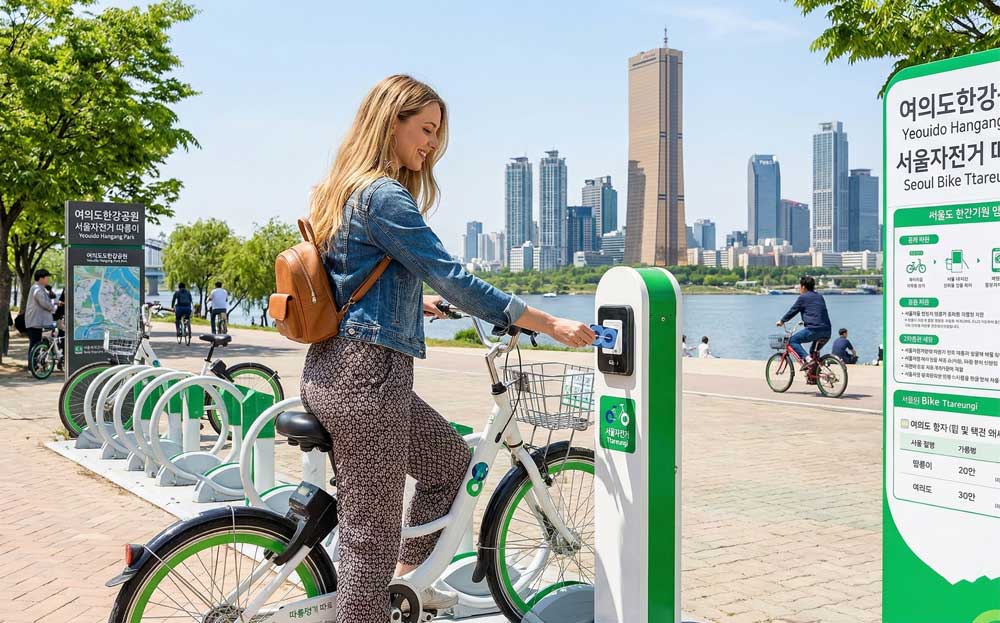
Seoul’s transportation is world-famous for its convenience, and thanks to the Climate Card, it has also become economical. Considering that the “typical” basic subway fare in Seoul is over 1,400 KRW, this guide will help you dramatically reduce your travel expenses.
If you want to use the Climate Card even more smartly, try planning your route in conjunction with the ‘Seoul Restaurant Hotplace Map.’
Frequently Asked Questions (FAQ)
Q1: Can I use it when coming from Incheon Airport to Seoul?
A1: It can be used starting from the ‘Seoul Station to Gimpo Airport’ section of the AREX all-stop train, so you need a separate transit card when boarding at Incheon Airport.
Q2: Can multiple people use one card together?
A2: No, the rule is one card per person, and multi-passenger boarding is not allowed.
Q3: How many hours can I ride Ttareungi at a time?
A3: You can ride for up to 2 hours per rental, and you can rent again immediately after returning for unlimited use.
Q4: Can I get a refund if there is a balance left?
A4: If the validity period hasn’t expired, you can get a refund of the remaining amount minus actual usage and a 500 KRW fee.
Q5: Can I use it throughout the entire Gyeonggi-do area?
A5: No, it is currently only available in agreement areas adjacent to Seoul, such as Goyang, Gwacheon, and Gimpo (partial).
Q6: Is the late-night bus also free?
A6: Yes, Seoul-licensed late-night buses (N buses) are included in the Climate Card range for unlimited use.
Buy your Climate Card at a nearby convenience store right now and start your smart Seoul journey!