
Korea has evolved beyond a simple tourist destination into a dream workation spot for digital nomads worldwide. In particular, the F-1-D visa introduced in 2024 has paved the way for high-income remote workers to stay long-term and work freely in Korea.
As a tattoo artist in Hongdae, I often get questions about this visa from my international clients.
Today, instead of complex legal jargon, I will summarize everything about the Korea Digital Nomad Visa as of 2026 in an easy-to-understand way.
Table of Contents
- Definition and Features of the F-1-D Visa
- Eligibility: Income and Career Requirements
- List of Essential Documents
- Step-by-Step Application Process
- Health Insurance and Precautions
- Living Tips for Digital Nomads in Korea
What is the Korea Digital Nomad Visa?
The Digital Nomad Visa (F-1-D) is a visa that allows employees of overseas companies or freelancers to stay in Korea and perform work remotely.
While previously nomads could only stay briefly on tourist visas, they can now legally reside for up to 2 years (initial 1 year + 1-year extension) and deeply experience Korean culture.
The core of this visa is not finding a job within Korea, but maintaining external income while enjoying Korea’s infrastructure.

Eligibility: Can You Apply?
To obtain this visa, you must meet several strict requirements. The most important is the income level.
As of 2026, you must earn at least twice Korea’s Gross National Income (GNI) per capita, which is approximately $66,000 USD (about 88 million KRW) annually.
Additionally, you must prove at least one year of experience in the same industry.
Summary of Key Requirements
| Item | Requirement |
| Annual Income | $66,000+ USD |
| Age | 18 years or older |
| Experience | 1+ year in the field |
| Insurance | 100M KRW+ coverage |
Essential Documents: Preparing Thoroughly
Preparing documents determines the success of visa issuance. All documents must be translated into English or Korean, and Apostille certification may be required in some cases.
One of the most common questions on the ground is “Is it possible for freelancers?”, and the answer is yes, provided income is clearly proven through contracts and bank statements.
- [ ] Visa application form and passport copy
- [ ] Certificate of employment or business registration
- [ ] Income proof for the past year
- [ ] Criminal record certificate
- [ ] Overseas health insurance certificate with 100M KRW+ coverage
- [ ] Proof of residence in Korea
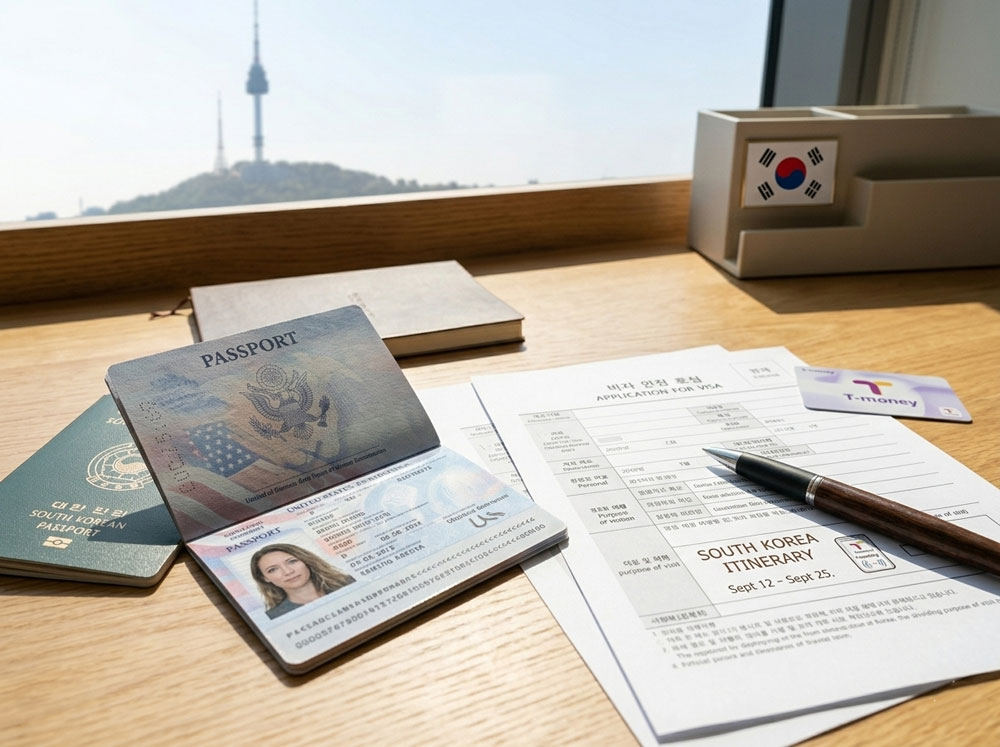
Step-by-Step Procedure: Where and How?
The standard application method is to visit the Korean Embassy or Consulate in your country of residence.
If you are already in Korea on a tourist visa, you may consider applying for a change of status at a local immigration office if you meet the requirements.
- Document Preparation: Complete income proof and insurance.
- Submission: Submit documents to the relevant mission.
- Screening: Usually takes about 2 to 4 weeks.
- Issuance: Receive the visa after approval.
- Alien Registration: Must apply for an Alien Registration Card within 90 days of entry.
Korean administration is famous for its speed, but a single missing document can significantly delay your schedule.
If you need more detailed information internally, please refer to our [Administrative Guide for Expats in Korea] post.
Health Insurance Requirements: Why is it Important?
One unique requirement of the F-1-D visa is proof of high-value private health insurance.
The coverage limit must be at least 100 million KRW (approx. $75,000 USD) to prepare for any potential accidents or illnesses during the stay.
Generally, ‘Expat Insurance’ plans from global insurers are used, and Korea must be included in the coverage area.
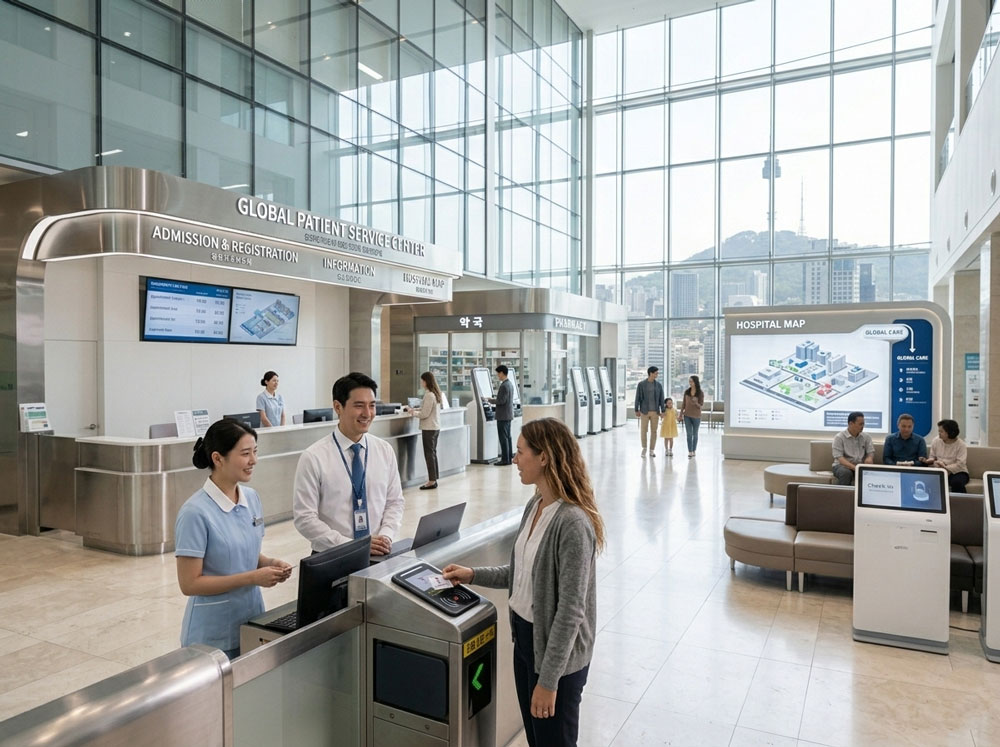
Living Tips for Digital Nomads in Korea
Now that you have your visa, it’s time to enjoy Korea. Gangnam, Hongdae, and Seongsu in Seoul are the most preferred areas for nomads.
Hongdae, in particular, is full of creative energy, which is why many tattoo artists like me gather here.
One common question on the ground is about “internet speed,” but Korea’s is world-class, so there’s no need to worry.
- Public Transport: Use the Climate Card for unlimited Seoul metro and bus rides.
- Delivery: Order food 24/7 through apps like Coupang Eats or Baemin.
- Community: Get local info via Reddit’s r/Living_in_Korea or Facebook groups.
Frequently Asked Questions
Q1: Can I get a job at a Korean company?
A1: No, the F-1-D visa is strictly for remote work. If you wish to work for a Korean company, you must change to another work visa like E-7.
Q2: Can I bring my family?
Yes, spouses and minor children can apply together as accompanying family members.
Q3: Is the 88 million KRW income pre-tax?
Generally, it is judged based on gross income before taxes.
Q4: Do I need to join Korean National Health Insurance?
A4: You may become subject to mandatory enrollment after 6 months of stay, but separate private insurance proof is essential during the visa application stage.