
Obtaining a Korea E-2 visa is the most important first step for native speakers wishing to teach English in Korea, and meticulous document preparation determines success.
This guide explains the essential documents and complex apostille notarization procedures for teachers from seven designated countries, including the US and Canada.
Identifying common mistakes in the visa issuance process in advance can save you significant time and money.
Since document preparation usually takes 2 to 3 months, it is wise to plan ahead.
Based on my experience observing many teachers’ visa processes in the field, I share the key information.
Table of Contents
- Basic Eligibility Requirements for E-2 Visa Issuance
- 4 Essential Documents for Native English Teachers
- Guide to Apostille and Consular Confirmation Procedures
- Receiving Visa Issuance Number and Final Interview Stage
- Post-entry Health Check and Alien Registration
Checking Basic Eligibility Requirements for E-2 Visa Issuance
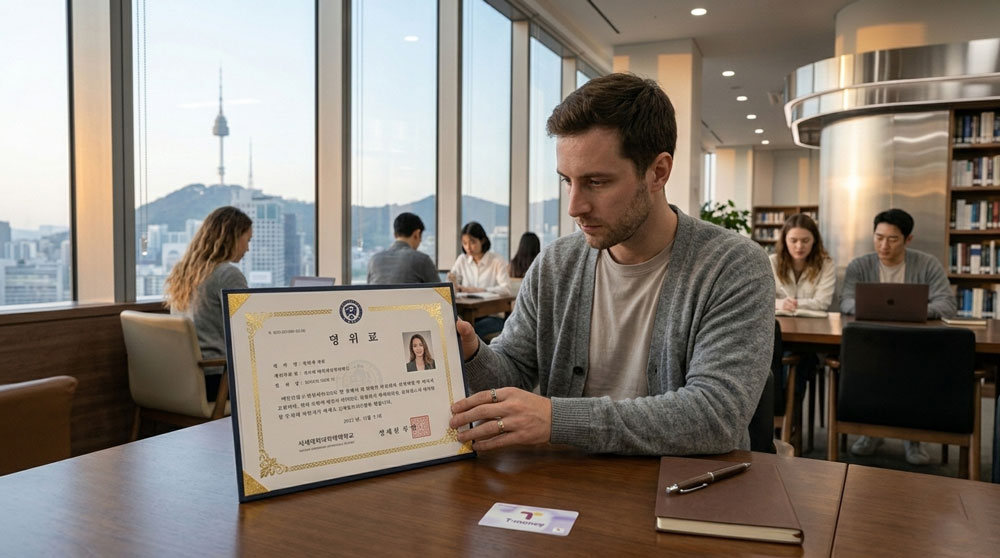
To issue a Korea E-2 visa, your citizenship must be from one of the seven designated countries (USA, UK, Canada, Australia, New Zealand, Ireland, South Africa).
Additionally, a bachelor’s degree or higher from an accredited university within that country is required.
In my opinion, even if the degree major is not in education or English, it does not affect the visa issuance itself, but it can be advantageous during hiring.
Usually, you must have no criminal record and no physical health disqualifications to receive visa approval.
Essential Document List for Native English Teachers
It is no exaggeration to say that document preparation accounts for 90% of the E-2 visa process, making it important and complex.
| Document Name | Detailed Description | Preparation Tips |
| Degree Copy | Apostilled Bachelor’s degree | Common to notarize a copy |
| Criminal Record | Issued by federal agency like FBI, CRC | Must include an Apostille |
| Passport Copy | Passport valid for at least 6 months | Scan so the photo page is clear |
| Photo | Passport-sized color photo | Taken within the last 6 months |
The document that takes the longest is the federal Criminal Background Check.
For American teachers, they must get an FBI Check, and a tip from an acquaintance’s case is that using an agency can shorten the time somewhat.
All documents must be issued within the last 6 months, so be sure to check the expiration date.
Understanding and Proceeding with the Apostille Process
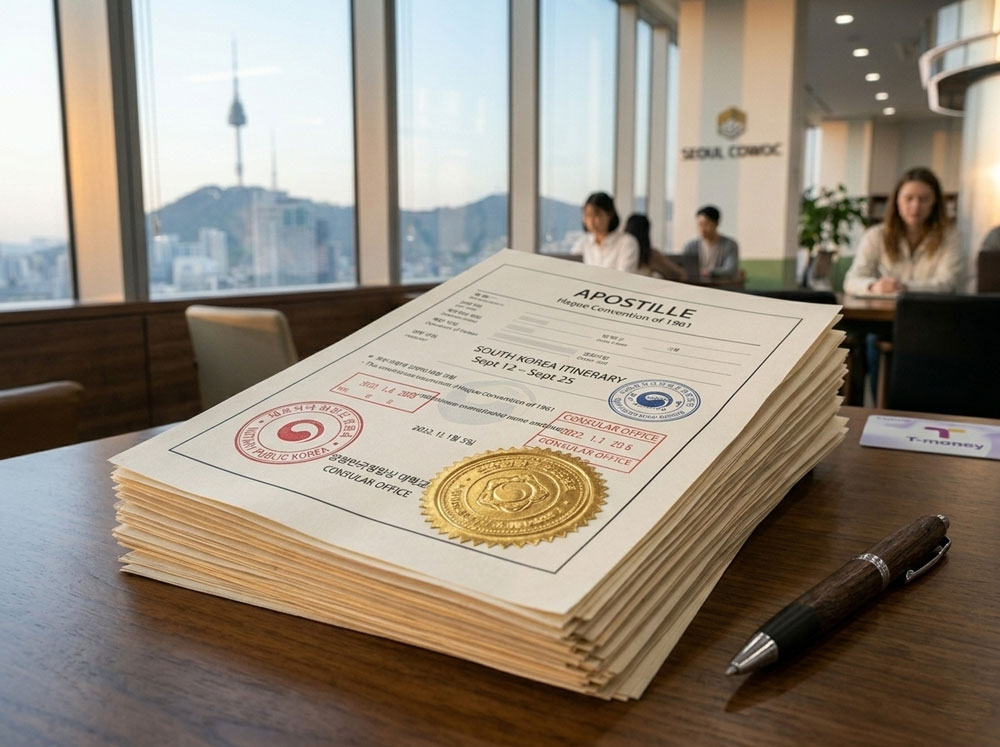
An Apostille is an international agreement that ensures a document from one country has legal effect in another.
When applying for a Korea E-2 visa, this Apostille must be attached to the degree certificate and criminal record.
Canada was not an Apostille convention country, but it recently joined, so checking the latest information is essential as the procedure has changed.
Usually, it is issued through the state government (Secretary of State) or the federal government of your place of residence.
Since the procedure is tricky and there is a risk of mail accidents, it is recommended to use a traceable mail service.
Receiving Visa Issuance Number and Final Consulate Visit
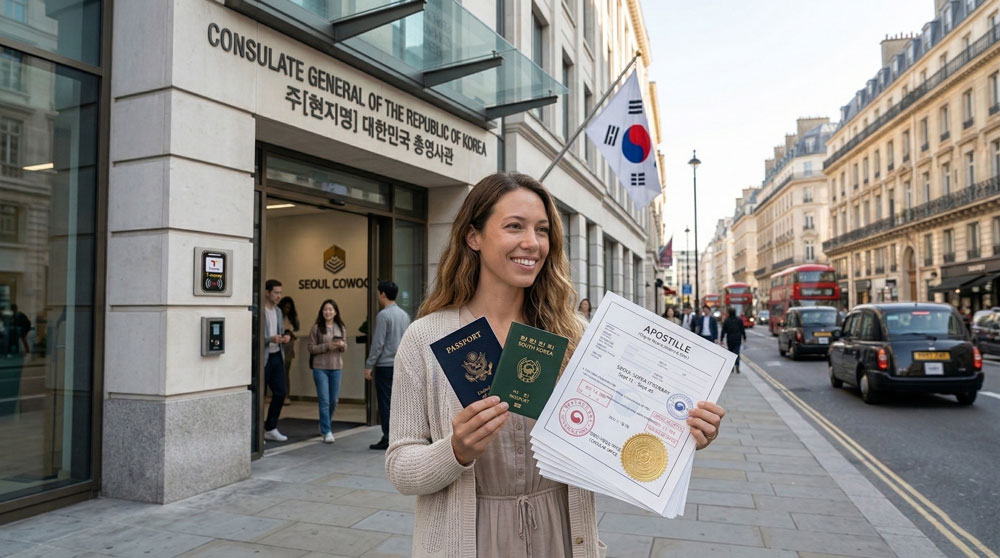
Once all documents are sent to the Korean employer (hagwon or school), the employer applies for visa issuance confirmation at the Korea Immigration Office.
Once the screening is passed, a ‘Visa Issuance Confirmation Number’ is released, and you must apply for a visa at the Korean consulate in your area of residence with this number.
A consulate interview may take place at this stage, mainly asking about educational background and the purpose of going to Korea.
As Andy in Hongdae heard, attending the interview in formal attire helps to give a positive impression.
When the visa is finally attached to your passport, you are finally ready to depart for Korea.
Final Checklist for Successful Visa Issuance
Please check the following items once more so that you don’t miss anything before departure.
- [ ] Check if all documents have Apostille notarization
- [ ] Check the validity period (6 months) of the criminal record
- [ ] Complete signature in the passport’s signature field and check remaining validity
- [ ] Note the residential address in Korea and employer contact information
- [ ] Check the visa application fee (cash preparation recommended)
If you have completed this checklist, more than half of your life in Korea has been successful.
Visa preparation is a process that requires patience, but wonderful experiences in Korea await you.
If you are curious about the Korean lifestyle or hot spots in Seoul, read the [Seoul Remote Work Guide] article as well.
FAQ: Frequently Asked Questions about Korea E-2 Visa
Q1. Is a state-issued criminal record acceptable?
No, it must be issued by a federal agency such as the FBI (USA) or RCMP (Canada).
Q2. Do I have to send the original degree to Korea?
Usually, a notarized and apostilled copy of the original is sent, and it is common for you to keep the original.
Q3. What is tested in the health check after entering Korea?
It mainly tests for drugs, HIV, tuberculosis, etc., and visa maintenance is determined based on the results.
Q4. How long does the entire process take until visa issuance?
You should expect about 2 to 4 months from document preparation to final receipt.
Q5. Can I get an E-2 visa with an online degree?
It is possible if the university is a regular university accredited by the government, but some special degrees require confirmation.
I sincerely support your new start in Korea and hope you finish your document preparation well.